

How to Clean Your Diamonds & Jewellery at Home
The best way to clean diamond and gold jewellery at home is a bowl of warm water with a drop of dishwashing liquid. Soak your piece for 20 to 30 minutes, brush gently with a soft toothbrush, rinse, and pat dry with a lint-free cloth. It costs almost nothing and works better than most commercial jewellery cleaners. If you would rather leave it to us, we clean and check jewellery free of charge in-store at Botany Town Centre.
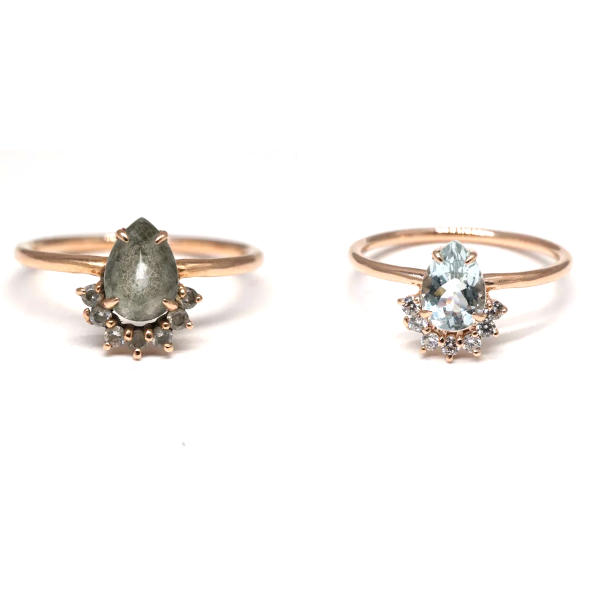
Jewellery Cleaning
Cleaning Your Jewellery at Home
Diamonds and gemstones shine brightest when they’re clean! To keep your diamond sparkling at home, you can make an easy cleaning solution using a minute amount of Handy Andy or dishwashing liquid mixed with warm water.
A gentle swirl in the solution should do the trick, but if there’s stubborn dirt, use a soft toothbrush to gently brush the diamond. Just be careful not to scratch the gold!
Not into DIY? No worries—pop into NZ Jewellers Botany Town Centre and we’ll clean it for you, free of charge. Plus, we’ll check the setting to make sure your diamond is still secure.
Did you know that while diamonds are tough, they can scratch each other? To keep your diamond and gemstone jewellery looking its best, store each piece separately. Small zip lock bags are perfect for storing jewellery separately. Keeping everything organised and safe will help prevent damage and keep your pieces looking their finest.
How to Clean Each Metal and Stone
Yellow gold and diamonds: the warm soapy water method above is all you need. Soak, brush gently, rinse and dry. Safe to repeat as often as you like.
White gold: clean the same gentle way, but skip abrasive cloths and pastes, they wear through the rhodium plating faster. If your white gold looks yellowish or dull after cleaning, it needs re-plating rather than more scrubbing, see our one-hour rhodium service below.
Silver: use a silver polishing cloth for tarnish, and the soapy water method for everyday dirt. Store silver in zip-lock bags to slow tarnishing between wears.
Moissanite and lab-grown diamonds: clean exactly like natural diamonds. Moissanite in particular loves a regular clean, oils from your skin dull its fire more visibly than a diamond's.
Pearls, opals and emeralds: these are the exceptions. Never soak them and never use ultrasonic cleaners. Wipe gently with a barely damp soft cloth and let them dry fully before storing.
What to Avoid When Cleaning Jewellery
- Toothpaste and baking soda: both are abrasive and leave fine scratches in gold and silver.
- Bleach and chlorine: these attack gold alloys and can permanently discolour or weaken your jewellery. Take rings off before swimming pools and household cleaning.
- Ultrasonic cleaners at home: fine for a plain gold and diamond ring in good condition, but they can shake loose stones out of worn settings and damage treated or soft gemstones. Have your settings checked first, we do it free in-store.
- Boiling water: sudden temperature changes can crack gemstones, warm water is all you need.
- Wearing jewellery to the gym or garden: knocks bend claws, and lost stones cost far more than the minute it takes to take rings off.
Ring Setting Security
Keep Your Diamond Ring Safe and Sparkling
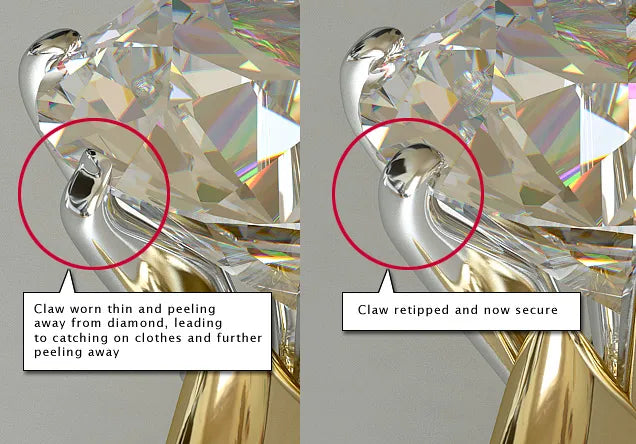
Wearing your diamond ring every day? There’s a chance it could take a few knocks, causing the prongs to bend or your gemstone to loosen—yikes! To prevent losing your precious stone, it’s a good idea to take off your ring now and then to check for any damage.
We also recommend getting it professionally inspected and tightened every six to twelve months. At NZ Jewellers Auckland, we offer complimentary inspections and expert tightening services to keep your ring secure.
While you're here, let’s give it some love! We’ll clean and polish your ring so it shines like the day you got it. Taking care of your diamond and gemstone jewellery will ensure they'll stay lasting symbols of your love for years to come. If a claw is bent or a stone feels loose, our jewellery repairs service can fix it on-site.
Rhodium Plating
Keep Your White Gold Ring Looking Brand New
Noticing your white gold engagement ring isn’t as bright as when you first got it? Don’t stress—it’s completely normal!
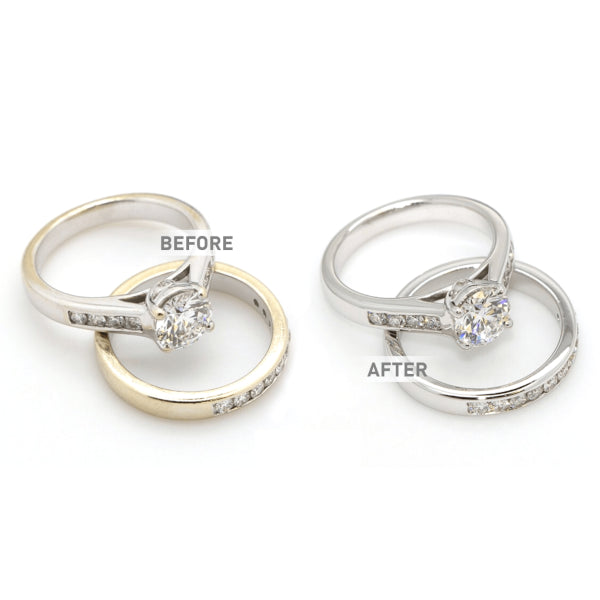
White gold is actually a mix of yellow gold and other alloys, and to get that brilliant white shine, it’s coated with rhodium. Over time, this rhodium plating can wear off, especially if you use hand creams, perfume, or work with chemicals near your ring.
No need to worry—we’ve got you covered! Our re-rhodium plating service includes a polish and a fresh coat of rhodium, bringing back that dazzling finish. It only takes about an hour, so just bring your ring into our Auckland Jewellery Store, and we’ll have it looking as good as new in no time!
Questions? Contact us
FAQs
For gold, silver, diamonds and moissanite, a bowl of warm water with a drop of ordinary dishwashing liquid cleans as well as any commercial jewellery cleaner, and it is gentler than many of them. Silver also benefits from a proper silver polishing cloth for tarnish. If you want a deeper clean, bring your jewellery to NZ Jewellers at Botany Town Centre, professional cleaning and a setting check are free.
No. Toothpaste is abrasive and leaves fine scratches in gold, silver and platinum, and it can dull softer gemstones. Warm soapy water and a soft brush do the job safely.
Sometimes. A plain gold and diamond ring in good condition handles an ultrasonic clean well, but the vibrations can shake stones out of worn or loose settings and can damage pearls, opals, emeralds and many treated gemstones. Have your settings checked before using one. We check settings free of charge in-store.
A quick clean at home every week or two keeps everyday pieces bright. On top of that, have rings you wear daily professionally cleaned and inspected every six to twelve months, both are free at our Botany Town Centre store, and the inspection often catches a loose stone before it is lost.
Rhodium plating, also known as rhodium dip or rhodium flashing, is a process used to coat jewellery and other items with a thin layer of rhodium, a rare and precious metal. Rhodium plating enhances the luster, durability, and scratch resistance of the underlying metal, often silver or white gold.
Here are some key points about rhodium plating:
- Appearance: It gives jewellery a bright, shiny, and reflective finish, making it look more attractive.
- Durability: Rhodium is a hard metal, so plating helps protect jewellery from scratches and tarnishing.
- Maintenance: Over time, rhodium plating can wear off, especially on frequently worn items like rings, and may need to be reapplied, usually annually.
Loose Ring Setting: If the diamond is not securely set in its mounting, it can move slightly and make a clinking sound when it comes into contact with the metal prongs or other parts of the jewellery. It is very important to bring your ring or other jewellery item into NZ Jewellers Botany to have the ring setting assessed as soon as possible. If you can move the stone with your finger you should take the ring off and keep it somewhere secure until you can bring it into us. Our expert master jeweller can tighten the ring setting and restore the security of your diamond for you.
Dirt and Grime: Over time, diamonds can accumulate dirt, oils, and other residues from daily wear, which can dull their brilliance. To restore your diamond's sparkle, you can bring it in to NZ Jewellers Botany to have it professionally cleaned or alternatively you can use a very gentle cleaning solution at home.